

FLOCK FAVOURITES
Sold out
20% off
20% off
Vendor:
Metalbird Canada
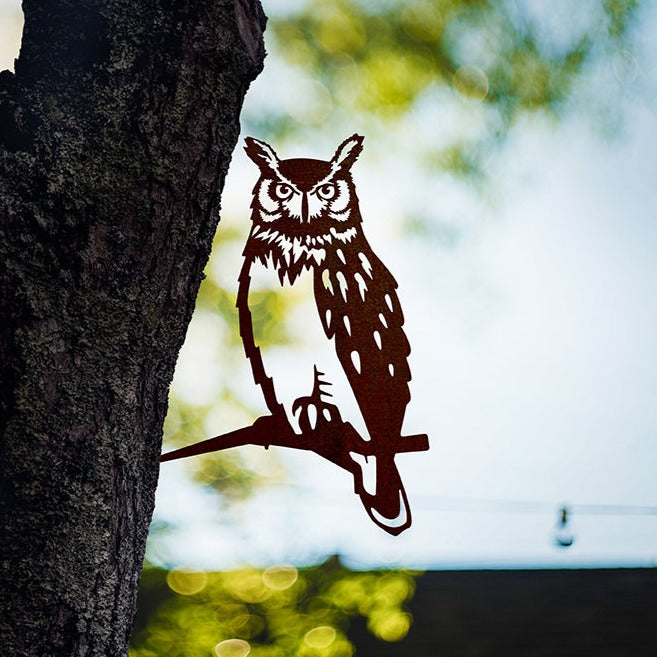
Great Horned Owl
Regular price $69.99 Sale price $55.99 Regular price
20% off
20% off
20% off
20% off
Vendor:
Metalbird Canada
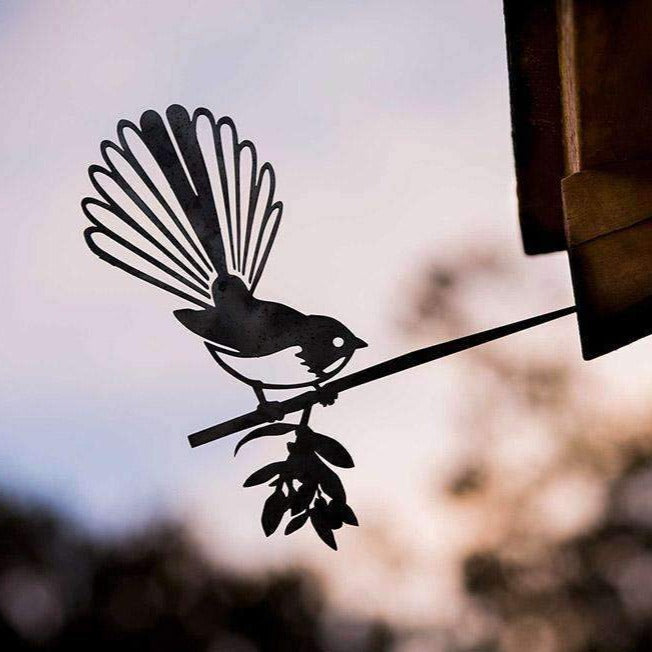
Fantail / New Zealand Pīwakawaka
Regular price $69.99 Sale price $55.99 Regular price
20% off
Vendor:
Metalbird Canada
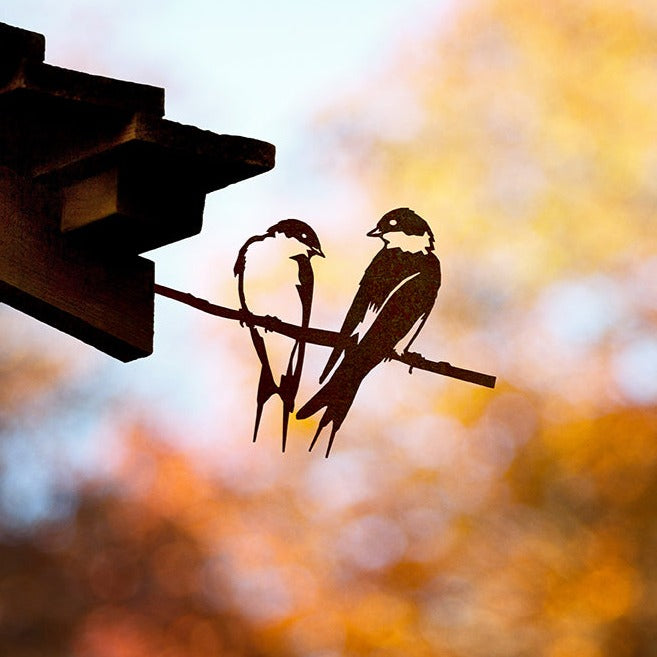
Pair of Swallows
Regular price $69.99 Sale price $55.99 Regular price
20% off
Vendor:
Metalbird Canada
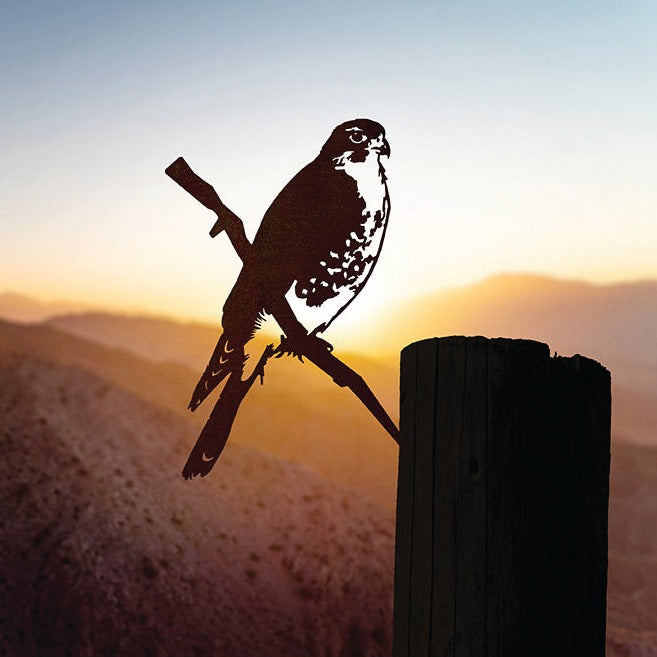
Peregrine Falcon
Regular price $69.99 Sale price $55.99 Regular priceFROM MY BACKYARD TO YOURS



where art meets nature
Short answer: No. Long answer? Still no, but here’s the honest lowdown.
People care deeply about trees, and so do we! That’s why we’ve taken the time to look at the science, speak to experts, and weigh up the facts.
Trees aren’t fragile. They’re remarkably tough. They’ve got this brilliant defence move, to seal off small wounds before anything nasty gets in. Our spikes are small enough to trigger that without causing harm. Like getting your ear pierced, but for bark.
Here’s how to install responsibly:
- Choose a mature, healthy tree (the tree trunk should be big enough to bear the bird)
- Avoid delicate bark types (birch, we’re looking at you)
- Tap it in gently, just enough to hold
- Aim for dry weather (trees don’t like surgery in the rain, fair enough)
Still nervous? No worries. Metalbirds perch just as nicely on letterboxes, fence posts, lampposts, decks, gates, basically anything that isn’t moving or breathing. We’re all for getting creative.
Remember: the goal is to surprise and delight, not to stress. So do what feels right, and let your inner backyard artist run wild.
You will see a change in color, but it’s not the flaky, destructive rust you’re thinking of. It’s a natural transformation. The steel forms a protective outer layer called patina, which seals it off from the elements and gives it that rich, earthy character.
Our birds are made from CorTen® steel, the same stuff used in sculptures like the Chicago Picasso and buildings like The Courtyard Theatre in Stratford. It’s built to stare down rain, wind, and time... and come out looking even better.
At first, your bird will show bright orange flecks (we call this the teenage phase, loud, patchy, full of attitude). Then it deepens into burnt umber. Eventually, it settles into a moody charcoal that looks like it’s always belonged.
No peeling. No fading. No fuss.
Just honest, beautiful weathering that gets better with age.
So, will it rust? Yep. And that’s exactly the what it’s meant to do.
Depends on the bird. Depends on where you want it. Depends how many coffees you’ve had. But honestly, it’s simple.
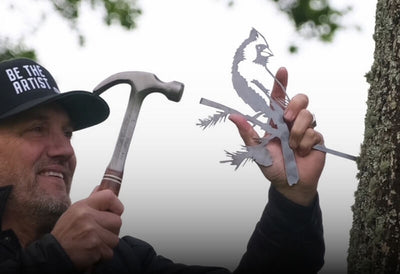
If you’ve got a hammer and a smidgen of common sense, you’re 90% there. The real art? Picking the perfect spot. That’s where the magic lives.
Here’s how to get it up and looking flash:
- Find your spot: Pick somewhere visible and personal, tree, post, fence, pergola, whatever feels right. Aim for a clear background like open sky, it helps the silhouette pop. Leaves and branches can mess with the magic (bonus points if it catches the morning sun)
- Drill a pilot hole: use a drill bit that’s one size smaller than the spike (tight enough to hold, but not so tight you’re forcing it). This is especially important if you’re going into brick, stone, or concrete, you’ll need a masonry drill bit for those tougher jobs.
- Tap Tap Tap: Grab your bird and gently tap the spike into your surface with a hammer or mallet. About 1-2 inches deep is plenty, just enough to hold its weight.
- Step back: Admire your art. Maybe give it a name. Maybe don’t.
You’re not just installing a bit of steel. You’re placing a story. A gesture. A moment.
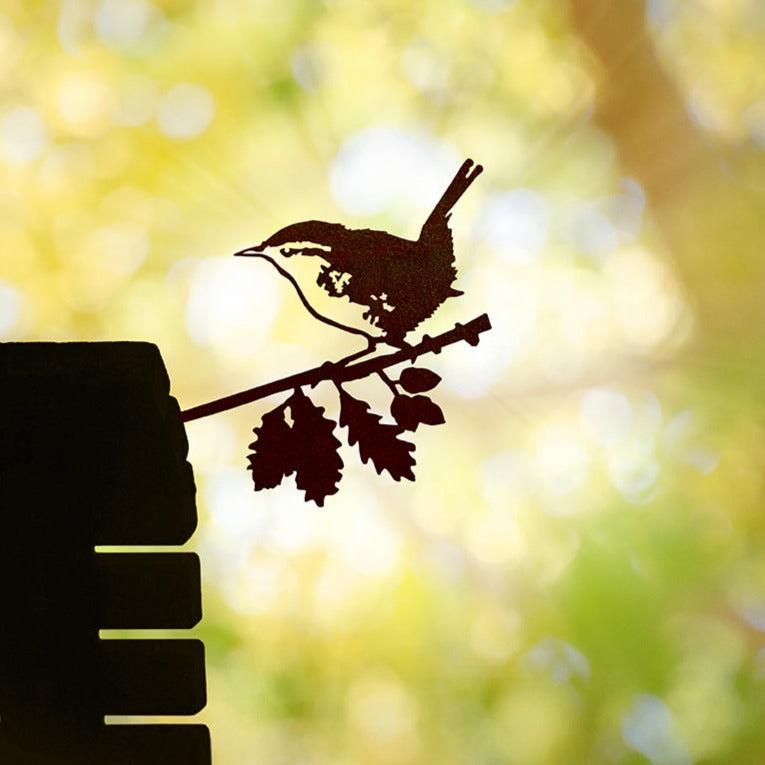
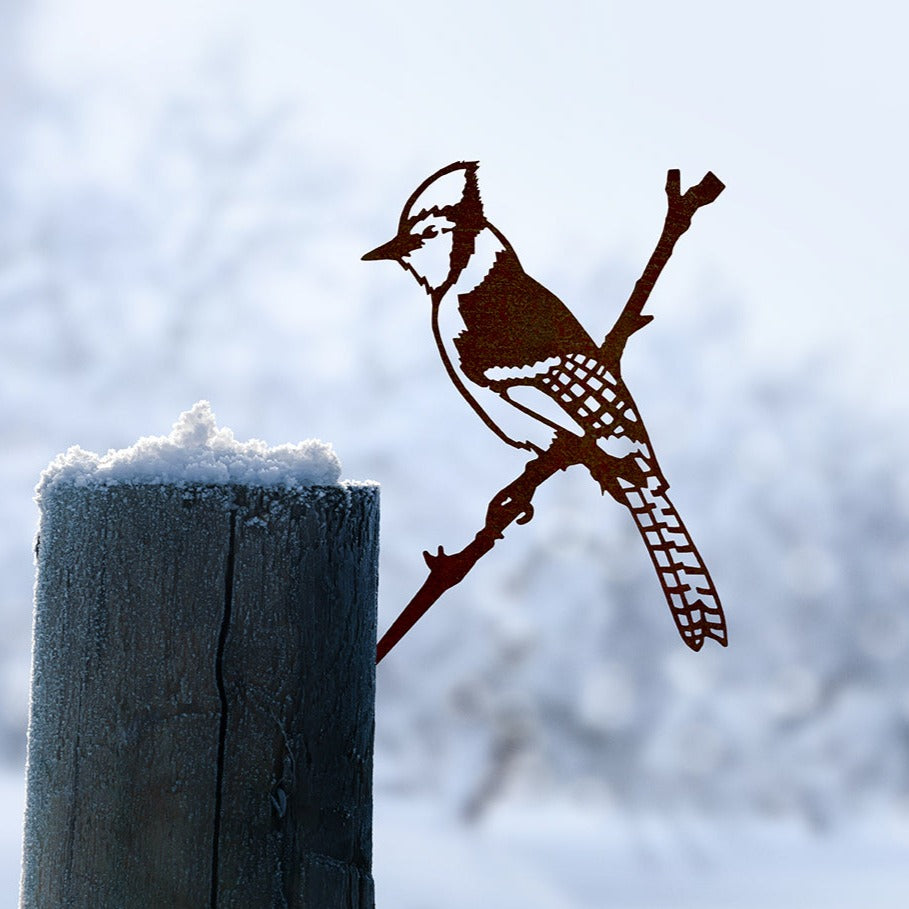
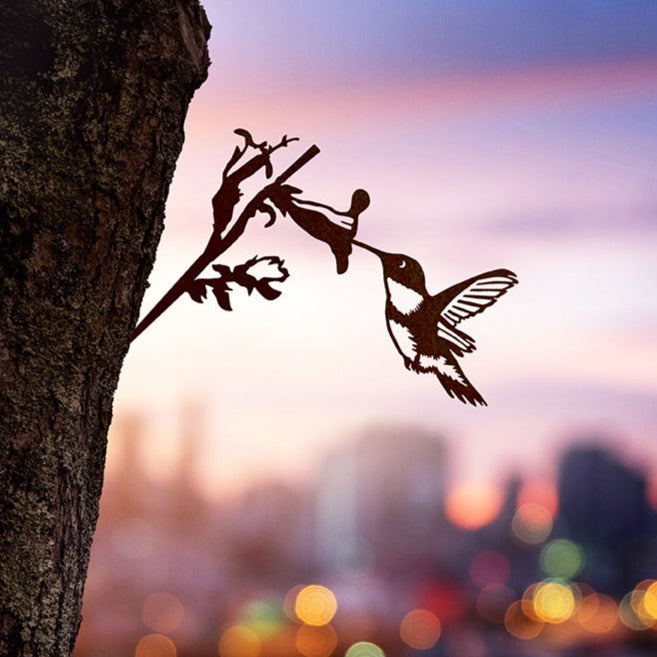
Flockers tip: Generally, the top of your bird’s head should sit parallel to the sky, which sometimes means the spike may be on a diagonal (of course there are some outliers... thanks Phil, loves to keep us on our toes). But if you’re not sure which way it faces, have a peek at our product photos for a bit of inspiration.
made with care. for good
MADE LOCAL
MADE LOCAL
Made Sustainable
Made Sustainable
Made for the Birds
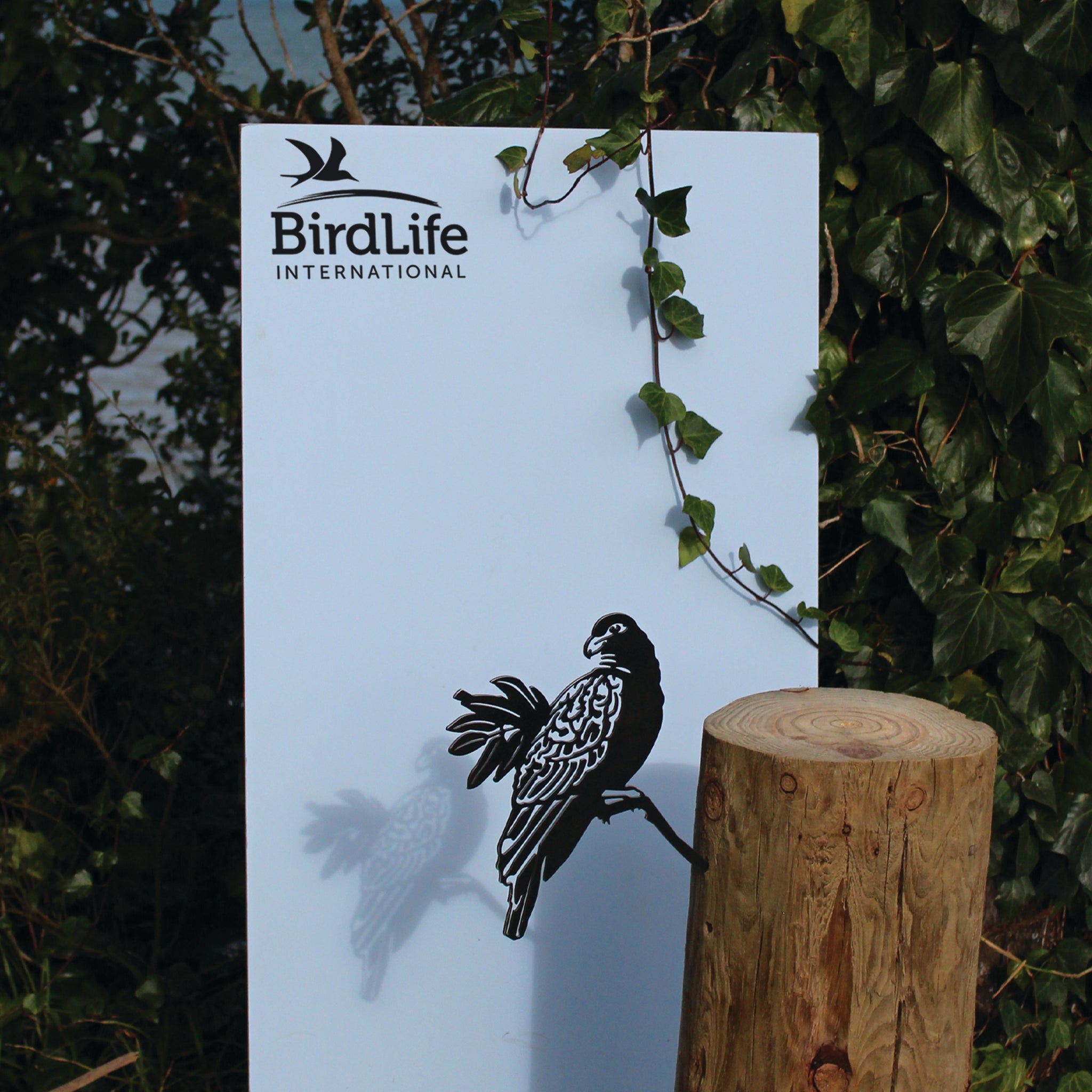
Made for the Birds
20% off
Vendor:
Metalbird Canada
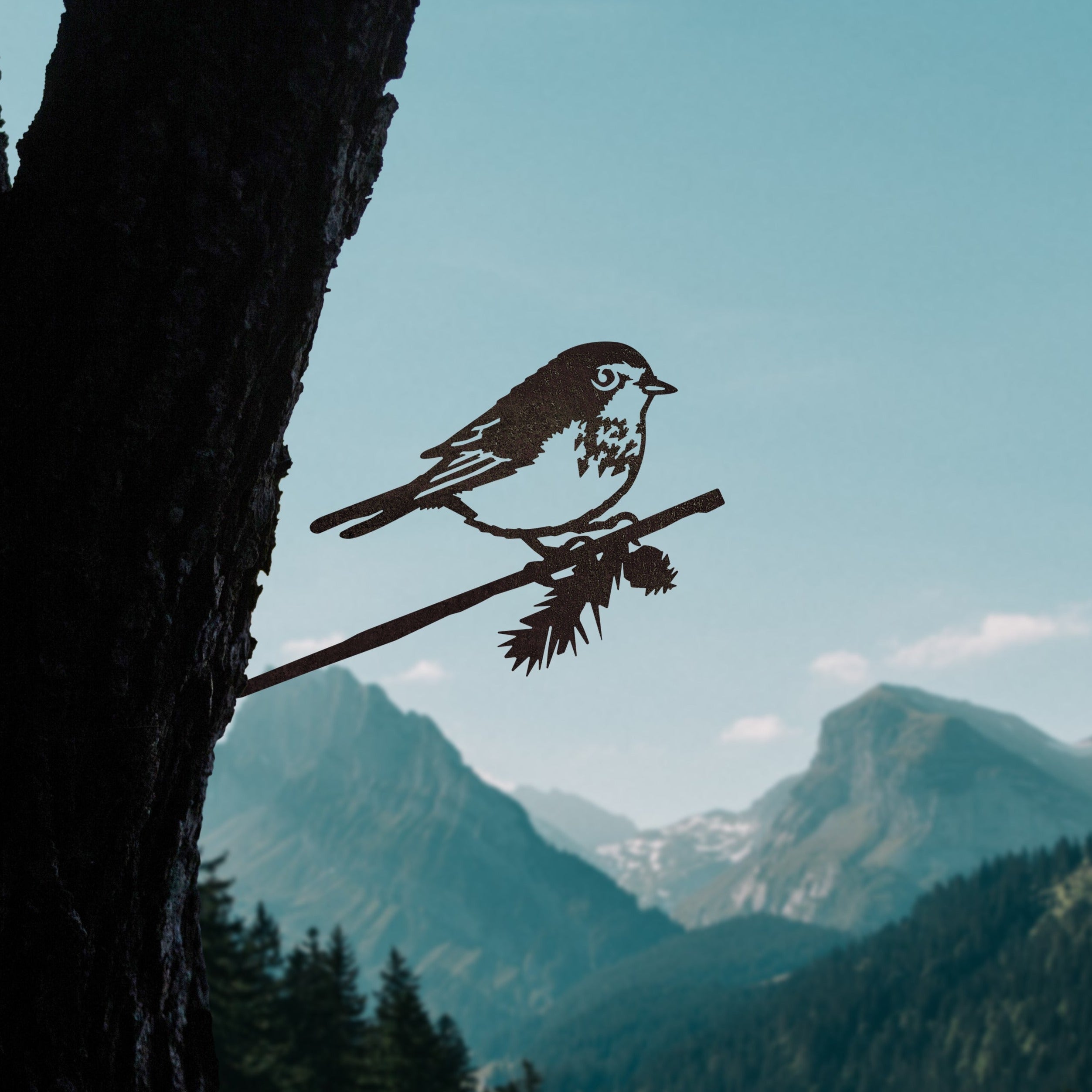
Magnolia Warbler
Regular price $69.99 Sale price $55.99 Regular price
20% off
Sold out
20% off
20% off


AS SEEN IN